Heart disease is one of the leading causes of health complications worldwide, affecting millions of people every year. After a heart attack, heart surgery, or diagnosis of a cardiovascular condition, recovery requires more than medication alone. This is where Cardiac Rehabilitation Physiotherapy plays a vital role. It is a specialized physiotherapy program designed to help individuals regain strength, improve heart function, and return to a healthy and active lifestyle.
Cardiac rehabilitation is a medically supervised program that combines physical exercise, education, and lifestyle modification to improve cardiovascular health. Physiotherapists work closely with patients to create personalized rehabilitation plans that focus on improving endurance, reducing symptoms, and minimizing the risk of future heart-related complications.
What is Cardiac Rehabilitation Physiotherapy?
Cardiac Rehabilitation Physiotherapy is a structured exercise and recovery program designed for people who have experienced:
- Heart attacks (Myocardial Infarction)
- Coronary artery bypass graft (CABG) surgery
- Angioplasty and stent placement
- Heart valve surgery
- Heart failure
- Coronary artery disease
- Other cardiovascular conditions
The primary goal is to help patients recover safely, improve cardiovascular fitness, and reduce the risk of future heart problems.
Benefits of Cardiac Rehabilitation Physiotherapy
1. Improved Cardiovascular Fitness
Specialized exercises help strengthen the heart muscle, improve circulation, and enhance overall endurance.
2. Faster Recovery
Patients often recover more quickly after heart surgery or cardiac events when guided by a structured rehabilitation program.
3. Reduced Risk of Future Heart Problems
Regular monitored exercise and lifestyle education can significantly lower the risk of recurring cardiac events.
4. Better Physical Strength
Cardiac rehabilitation helps improve muscle strength, mobility, and functional independence.
5. Enhanced Quality of Life
Patients experience increased confidence, reduced fatigue, and greater ability to perform daily activities.
6. Stress and Anxiety Management
Heart conditions often cause emotional stress. Rehabilitation programs include education and relaxation techniques to support mental well-being.
Components of Cardiac Rehabilitation Physiotherapy
Initial Assessment
A physiotherapist evaluates the patient’s medical history, heart condition, physical fitness level, and rehabilitation goals.
Exercise Training
Customized exercise programs may include:
- Walking programs
- Stationary cycling
- Treadmill training
- Strength training exercises
- Flexibility exercises
- Breathing exercises
Monitoring and Safety
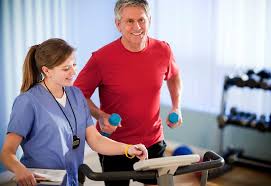
Heart rate, blood pressure, oxygen levels, and symptoms are closely monitored to ensure safe participation in exercise.
Lifestyle Education
Patients receive guidance on:
- Healthy eating habits
- Weight management
- Smoking cessation
- Stress management
- Physical activity recommendations
Long-Term Maintenance
The rehabilitation process encourages lifelong healthy habits to maintain cardiovascular health and prevent complications.
Who Can Benefit from Cardiac Rehabilitation Physiotherapy?
Cardiac rehabilitation is suitable for:
- Individuals recovering from heart surgery
- Patients after a heart attack
- People diagnosed with coronary artery disease
- Individuals with heart failure
- Patients preparing for or recovering from cardiac procedures
- Anyone seeking to improve cardiovascular fitness under professional supervision
Why Choose Professional Cardiac Rehabilitation Services?
A professional cardiac rehabilitation program ensures exercises are tailored to individual health conditions and recovery goals. Physiotherapists provide expert supervision, helping patients progress safely while reducing risks. Personalized care also improves motivation and long-term adherence to healthy lifestyle practices.
Conclusion
Cardiac Rehabilitation Physiotherapy is an essential component of recovery and long-term heart health management. Through supervised exercise, education, and lifestyle modification, patients can regain confidence, improve physical fitness, and reduce the risk of future cardiovascular complications. Whether recovering from surgery, a heart attack, or managing a chronic heart condition, cardiac rehabilitation provides a safe and effective path toward a healthier life.
FAQs About Cardiac Rehabilitation Physiotherapy
1. What is Cardiac Rehabilitation Physiotherapy?
Cardiac Rehabilitation Physiotherapy is a specialized recovery program that combines exercise, education, and lifestyle guidance to improve heart health after cardiac events or procedures.
2. Who should undergo cardiac rehabilitation?
People recovering from heart attacks, heart surgery, angioplasty, heart failure, or other cardiovascular conditions can benefit from cardiac rehabilitation.
3. Is cardiac rehabilitation safe?
Yes. Programs are supervised by healthcare professionals who monitor heart rate, blood pressure, and overall health throughout the rehabilitation process.
4. How long does cardiac rehabilitation take?
The duration varies depending on the patient’s condition, but most programs last several weeks to a few months.
5. What exercises are included in cardiac rehabilitation?
Common exercises include walking, cycling, strength training, stretching, and breathing exercises tailored to individual fitness levels.
6. Can cardiac rehabilitation reduce the risk of future heart problems?
Yes. Regular participation can improve heart function, lower risk factors, and reduce the likelihood of future cardiac events.
7. Can elderly patients participate in cardiac rehabilitation?
Absolutely. Rehabilitation programs are customized to suit all age groups and physical capabilities.