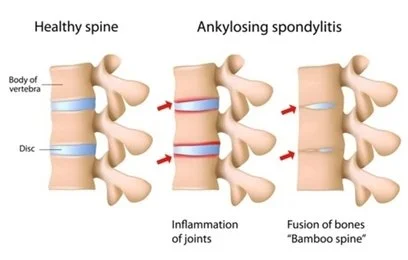
Ankylosing Spondylitis (AS) is a chronic inflammatory condition that primarily affects the spine and sacroiliac joints. Over time, it can lead to stiffness, pain, reduced flexibility, and difficulty performing everyday activities. Early diagnosis and appropriate physiotherapy play a crucial role in slowing disease progression and improving overall quality of life. If you are searching for Ankylosing Spondylitis Physiotherapy Treatment in Gurgaon, choosing an experienced physiotherapy team can help you manage symptoms effectively and regain functional independence.
Understanding Ankylosing Spondylitis
Ankylosing Spondylitis is an autoimmune disorder where inflammation causes pain and stiffness, particularly in the lower back and hips. As the condition progresses, it may affect the neck, shoulders, ribs, and other joints. Morning stiffness, fatigue, and discomfort that improves with movement are common symptoms.
Without proper treatment, prolonged inflammation may reduce spinal mobility and affect posture. Physiotherapy is considered one of the most effective non-surgical treatment approaches for maintaining flexibility and preventing long-term complications.
Symptoms That Should Not Be Ignored
Common symptoms of Ankylosing Spondylitis include:
- Persistent lower back pain lasting more than three months
- Morning stiffness that improves with movement
- Pain in the hips, buttocks, or shoulders
- Difficulty bending or twisting the spine
- Poor posture and reduced flexibility
- Fatigue and muscle weakness
- Chest stiffness causing difficulty in deep breathing
If these symptoms continue, consulting a physiotherapist for a personalized rehabilitation program is highly recommended.
Benefits of Physiotherapy for Ankylosing Spondylitis
Physiotherapy focuses on reducing pain while improving mobility, strength, and posture. A customized rehabilitation program may include:
- Postural correction exercises
- Spinal mobility and stretching exercises
- Core strengthening exercises
- Joint mobilization techniques
- Breathing exercises to improve chest expansion
- Balance and functional training
- Pain management through manual therapy and therapeutic modalities
- Home exercise programs for long-term symptom control
Regular physiotherapy helps patients maintain independence and continue daily activities with less discomfort.
Why Early Physiotherapy Matters
Starting physiotherapy early can help:
- Reduce chronic pain
- Improve spinal flexibility
- Prevent joint stiffness
- Maintain proper posture
- Increase muscle strength
- Enhance mobility and balance
- Improve breathing capacity
- Support a better quality of life
Consistent exercise under professional supervision can significantly reduce the impact of Ankylosing Spondylitis.
Treatment Approach
A comprehensive physiotherapy program generally includes:
- Detailed physical assessment
- Individualized exercise prescription
- Manual therapy techniques
- Flexibility and stretching routines
- Strength and endurance training
- Postural education
- Ergonomic advice for work and daily activities
- Lifestyle modification guidance
Treatment plans are customized according to the patient’s age, severity of symptoms, physical condition, and personal goals.
Choosing the Right Physiotherapy Clinic
When selecting a clinic for Ankylosing Spondylitis rehabilitation, look for:
- Experienced physiotherapists
- Personalized treatment plans
- Evidence-based rehabilitation techniques
- Modern physiotherapy equipment
- Patient-focused care
- Continuous progress monitoring
- Home exercise guidance
A structured rehabilitation program can help patients remain active and reduce long-term disability.
If you are looking for professional Ankylosing Spondylitis Physiotherapy Treatment in Gurgaon, you can learn more about specialized assessment and rehabilitation services here:
Early intervention combined with regular physiotherapy sessions can significantly improve mobility, reduce pain, and help individuals lead a healthier, more active life despite Ankylosing Spondylitis.
FAQs
Q1. What is Ankylosing Spondylitis?
Ankylosing Spondylitis is a chronic inflammatory disease that mainly affects the spine and causes pain, stiffness, and reduced mobility.
Q2. Can physiotherapy help Ankylosing Spondylitis?
Yes. Physiotherapy helps reduce pain, improve flexibility, strengthen muscles, enhance posture, and maintain spinal mobility.
Q3. How many physiotherapy sessions are required?
The number of sessions depends on the severity of symptoms, overall health, and individual recovery goals. A physiotherapist creates a personalized treatment plan.
Q4. Is exercise safe for Ankylosing Spondylitis patients?
Yes. Supervised stretching, strengthening, and mobility exercises are considered one of the most effective treatments for managing Ankylosing Spondylitis.
Q5. What are the early signs of Ankylosing Spondylitis?
Common early symptoms include persistent lower back pain, morning stiffness, hip pain, fatigue, and reduced spinal flexibility.
Q6. Can physiotherapy prevent spinal stiffness?
Regular physiotherapy and daily exercises can significantly slow the progression of stiffness and help maintain better posture and mobility.
Q7. Who should seek Ankylosing Spondylitis Physiotherapy Treatment in Gurgaon?
Anyone experiencing chronic inflammatory back pain, reduced spinal movement, or a confirmed diagnosis of Ankylosing Spondylitis can benefit from specialized physiotherapy treatment.