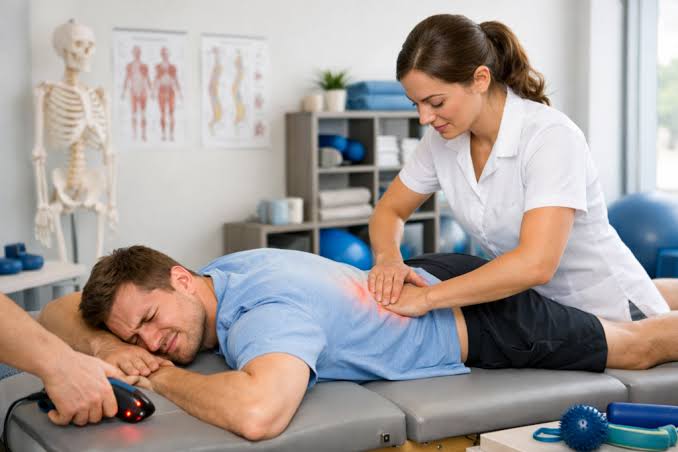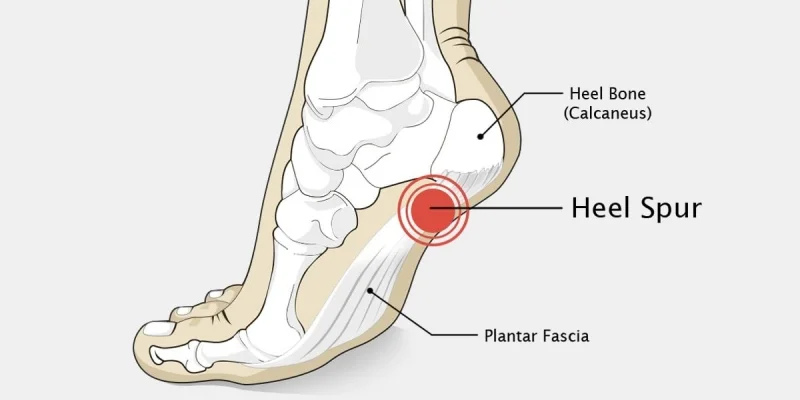
Heel pain can make even simple daily activities like walking, climbing stairs, or standing for long periods uncomfortable. One of the common causes of persistent heel pain is a calcaneal spur, also known as a heel spur. If left untreated, it can affect mobility and reduce your quality of life. Seeking Calcaneal Spur Treatment in Gurgaon from experienced physiotherapists can help reduce pain, improve function, and prevent future complications.
A calcaneal spur is a bony growth that develops on the underside of the heel bone due to prolonged stress on the foot muscles, ligaments, and plantar fascia. While some heel spurs cause no symptoms, others lead to significant pain, especially during the first few steps in the morning or after prolonged periods of rest.
Physiotherapy is considered one of the most effective non-surgical treatment options for managing heel spurs. A personalized rehabilitation program focuses on reducing inflammation, improving flexibility, strengthening foot muscles, and correcting biomechanical issues contributing to the condition.
Common Symptoms of Calcaneal Spur
Some of the common symptoms include:
- Sharp pain in the heel during the first steps after waking up
- Pain while walking or standing for extended periods
- Tenderness around the heel
- Swelling and inflammation
- Difficulty participating in physical activities
- Stiffness in the foot and ankle
If these symptoms persist, early diagnosis and treatment can prevent worsening of the condition.
Causes of Calcaneal Spur
Heel spurs usually develop over time due to repetitive strain. Common causes include:
- Plantar fasciitis
- Flat feet or high arches
- Obesity
- Poor footwear
- Excessive running or jumping
- Prolonged standing at work
- Tight calf muscles and Achilles tendon
Identifying the root cause is essential for successful long-term recovery.
How Physiotherapy Helps
Professional Calcaneal Spur Treatment in Gurgaon focuses on treating both the symptoms and the underlying cause.
A physiotherapy treatment plan may include:
- Comprehensive gait and posture assessment
- Pain relief techniques
- Manual therapy
- Stretching exercises for the plantar fascia and calf muscles
- Foot and ankle strengthening exercises
- Balance and stability training
- Taping techniques
- Ultrasound or electrotherapy if required
- Footwear advice and orthotic recommendations
- Home exercise program
The primary objective is to relieve pain while restoring normal foot mechanics and preventing recurrence.
Benefits of Early Physiotherapy
Early intervention offers several advantages:
- Faster pain relief
- Improved walking ability
- Reduced inflammation
- Better flexibility
- Enhanced foot strength
- Lower risk of chronic heel pain
- Reduced need for injections or surgery
- Improved overall quality of life
Most patients experience noticeable improvement when they follow a structured rehabilitation program consistently.
Tips to Prevent Heel Spurs
You can reduce your risk of developing heel spurs by:
- Wearing supportive footwear
- Maintaining a healthy body weight
- Stretching before exercise
- Avoiding prolonged standing whenever possible
- Replacing worn-out shoes
- Strengthening foot and calf muscles
- Using proper arch support when needed
Small lifestyle modifications can significantly reduce stress on the heel.
Conclusion
Heel pain should never be ignored, especially when it starts interfering with your daily routine. A personalized physiotherapy program can effectively reduce pain, improve mobility, and help you return to normal activities without surgery. If you are searching for reliable Calcaneal Spur Treatment in Gurgaon, early assessment and expert physiotherapy care can make a significant difference in your recovery.
FAQs
1. What is a calcaneal spur?
A calcaneal spur is a calcium deposit that forms a bony projection on the heel bone, often associated with plantar fasciitis.
2. Can physiotherapy treat heel spurs without surgery?
Yes. Physiotherapy is one of the most effective conservative treatments and helps reduce pain, improve flexibility, and restore normal foot function.
3. How long does recovery take?
Recovery varies depending on the severity of the condition, but many patients notice improvement within 4 to 8 weeks of regular physiotherapy.
4. Is walking good for a heel spur?
Gentle walking may be beneficial, but excessive walking on painful heels should be avoided until symptoms improve.
5. Who is at higher risk of developing calcaneal spurs?
People who are overweight, runners, individuals with plantar fasciitis, those who stand for long hours, and people wearing unsupportive footwear are at higher risk.
6. Can heel spurs come back after treatment?
They can recur if the underlying causes are not addressed. Regular stretching, strengthening exercises, supportive footwear, and maintaining a healthy weight help reduce the risk of recurrence.
7. Do all heel spurs require surgery?
No. Most heel spurs can be successfully managed with physiotherapy, activity modification, proper footwear, and other conservative treatments. Surgery is usually considered only when non-surgical treatments fail over an extended period.
8. What exercises help with heel spurs?
Calf stretches, plantar fascia stretches, toe curls, towel stretches, and foot-strengthening exercises are commonly recommended by physiotherapists to reduce pain and improve foot function.