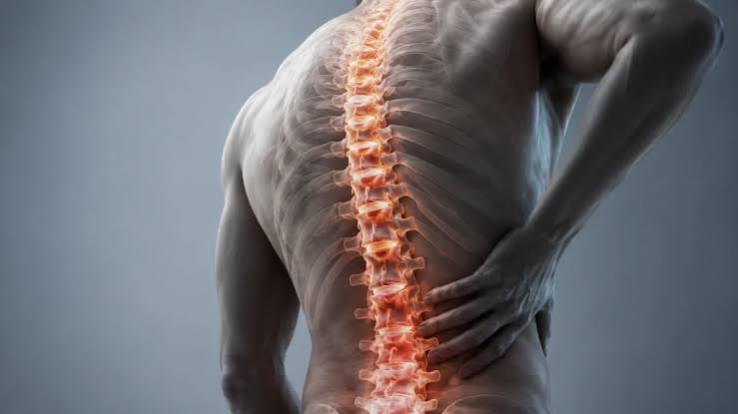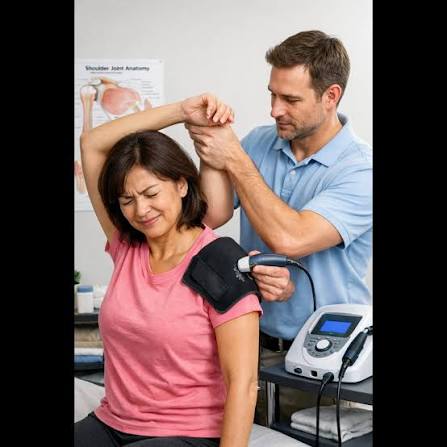
Frozen shoulder, medically known as adhesive capsulitis, is a condition that causes pain, stiffness, and restricted movement in the shoulder joint. It can make everyday activities such as dressing, combing hair, lifting objects, and reaching overhead difficult. The condition usually develops gradually and may take several months or longer to improve.
Today, Frozen Shoulder Treatment in India includes various non-surgical and surgical approaches designed to reduce pain, restore shoulder mobility, and improve quality of life. Depending on the severity of the condition, patients may benefit from physiotherapy, guided exercises, chiropractic assessment, medications, or other doctor-recommended treatments.
What Causes Frozen Shoulder?
Frozen shoulder occurs when the connective tissue surrounding the shoulder joint becomes inflamed, thickened, and tight. This restricts normal joint movement and causes discomfort.
Some common risk factors include:
- Diabetes and other metabolic conditions.
- Previous shoulder injuries or surgeries.
- Prolonged shoulder immobilisation.
- Hormonal changes and age-related factors.
- Certain medical conditions affecting joint mobility.
Frozen shoulder is more commonly diagnosed in adults between 40 and 60 years of age.
Common Symptoms of Frozen Shoulder
Recognising the early symptoms can help patients seek appropriate treatment.
The most common symptoms include:
- Persistent shoulder pain, especially during movement.
- Increasing stiffness in the shoulder joint.
- Difficulty raising the arm or reaching behind the back.
- Pain that becomes worse at night.
- Reduced ability to perform routine activities.
Frozen shoulder generally progresses through three stages: freezing, frozen, and thawing. Each stage can affect shoulder movement and comfort differently.
Best Frozen Shoulder Treatment Options in India
India offers several treatment approaches for managing frozen shoulder. The appropriate treatment depends on the patient’s symptoms, medical history, and condition severity.
1. Physiotherapy
Physiotherapy is one of the commonly recommended approaches for frozen shoulder rehabilitation. A qualified physiotherapist can suggest gentle stretching, mobility exercises, and strengthening activities to improve shoulder function.
2. Chiropractic Care
Chiropractic care may be considered as a complementary approach for selected patients experiencing shoulder stiffness and restricted movement. A qualified chiropractor can assess joint mobility, posture, and surrounding muscles before recommending appropriate techniques.
Treatment may include gentle joint mobilisation and soft tissue techniques, depending on the patient’s condition and clinical assessment.
3. Medications and Injections
Doctors may recommend pain-relieving or anti-inflammatory medications to manage discomfort. In certain cases, corticosteroid injections may be considered to reduce inflammation and improve symptoms.
4. Home Exercises and Lifestyle Changes
Gentle exercises can help maintain shoulder mobility. Patients should avoid forcing painful movements and follow exercises recommended by their healthcare professional.
Applying heat before prescribed stretching exercises may also help some patients feel more comfortable.
5. Surgical Treatment
Surgery is generally considered when conservative treatment does not provide sufficient improvement. Procedures such as arthroscopic capsular release may be recommended in selected cases after specialist evaluation.
Why Consider Frozen Shoulder Treatment in India?
India offers a range of healthcare services for people experiencing shoulder pain and stiffness. Patients can explore different treatment options, including physiotherapy, orthopaedic consultations, rehabilitation, and chiropractic care.
Some advantages include:
- Access to qualified healthcare professionals.
- Different non-surgical treatment approaches.
- Individualised rehabilitation programmes.
- Modern diagnostic and treatment facilities.
- Options for long-term mobility and recovery management.
Choosing the right treatment provider and following a personalised recovery plan are important steps towards better shoulder function.
Frequently Asked Questions (FAQs) About Frozen Shoulder Treatment in India
1. What is the best treatment for frozen shoulder in India?
The best treatment depends on the severity of the condition. Physiotherapy, gentle stretching, pain management, and other specialist-recommended treatments are commonly used. Some patients may also benefit from complementary approaches such as chiropractic care.
2. Can frozen shoulder be cured without surgery?
Yes. Many people improve with non-surgical treatments such as physiotherapy, prescribed exercises, and appropriate pain management. Surgery is usually considered only when other treatment options have not provided sufficient relief.
3. How long does frozen shoulder take to heal?
Recovery varies from person to person. Some individuals improve within several months, while others may experience symptoms for one to three years. Early assessment and appropriate treatment can help manage symptoms and support recovery.
4. Is chiropractic treatment helpful for frozen shoulder?
Chiropractic care may help selected patients through appropriate joint mobilisation and soft tissue techniques. However, treatment suitability depends on individual assessment, and chiropractic care should not replace necessary medical evaluation.
5. What are the early signs of frozen shoulder?
Early signs include shoulder pain, stiffness, difficulty raising the arm, and discomfort while sleeping on the affected side. These symptoms may gradually become more noticeable over time.
6. Can diabetes increase the risk of frozen shoulder?
Yes. People with diabetes have a higher risk of developing frozen shoulder. Maintaining appropriate diabetes management and seeking early medical advice are important.
7. Are exercises necessary for frozen shoulder recovery?
Gentle, professionally recommended exercises are an important part of many frozen shoulder rehabilitation programmes. They help maintain mobility and gradually improve flexibility. Avoid aggressive stretching that causes significant pain.
8. Can frozen shoulder come back after recovery?
Frozen shoulder can occasionally affect the same shoulder again, although recurrence is uncommon. The opposite shoulder may also develop the condition, particularly in people with certain risk factors.
9. When should I consult a doctor for frozen shoulder?
You should consult a healthcare professional if shoulder pain persists, movement becomes increasingly restricted, sleep is affected, or everyday activities become difficult. Early diagnosis can help rule out other shoulder conditions and guide treatment.
10. Where can I find information about Frozen Shoulder Treatment in India?
You can explore treatment information, available approaches, and chiropractic care options through Chiropractor in India.
Conclusion
Frozen shoulder can significantly affect daily activities, but appropriate treatment and rehabilitation can help improve shoulder movement and reduce discomfort. From physiotherapy and guided exercises to chiropractic assessment and specialist care, India offers several approaches for managing this condition.